



AOOSTAR MACO Ryzen 7 H255 Review: worth it for a tiny gaming setup?
What usually sends me down the mini-PC rabbit hole is not curiosity. It’s desk fatigue. Too many cables, too much tower bulk, and one more machine that somehow takes over the whole workspace even though I only need it to do three things well: stay fast under load, drive multiple displays, and leave me an upgrade path if integrated graphics stop being enough.
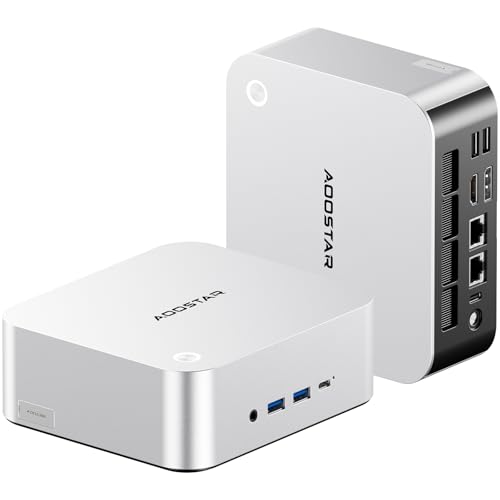
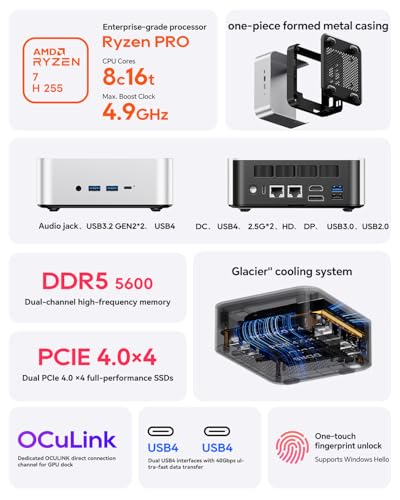
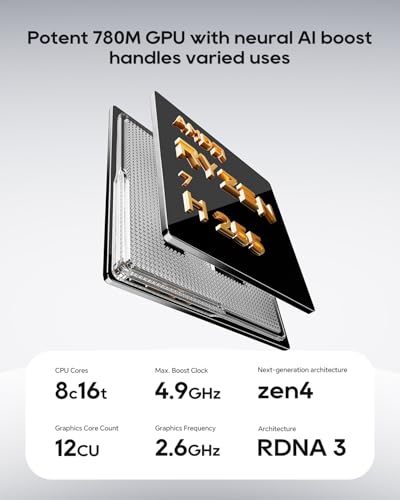
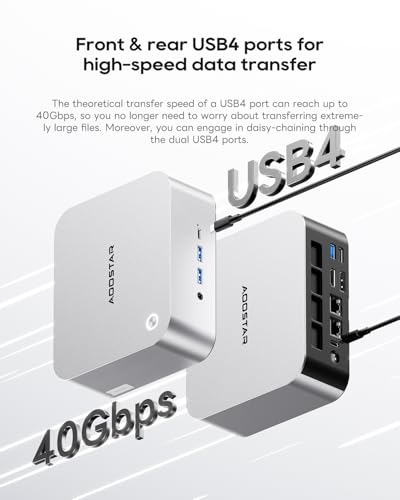
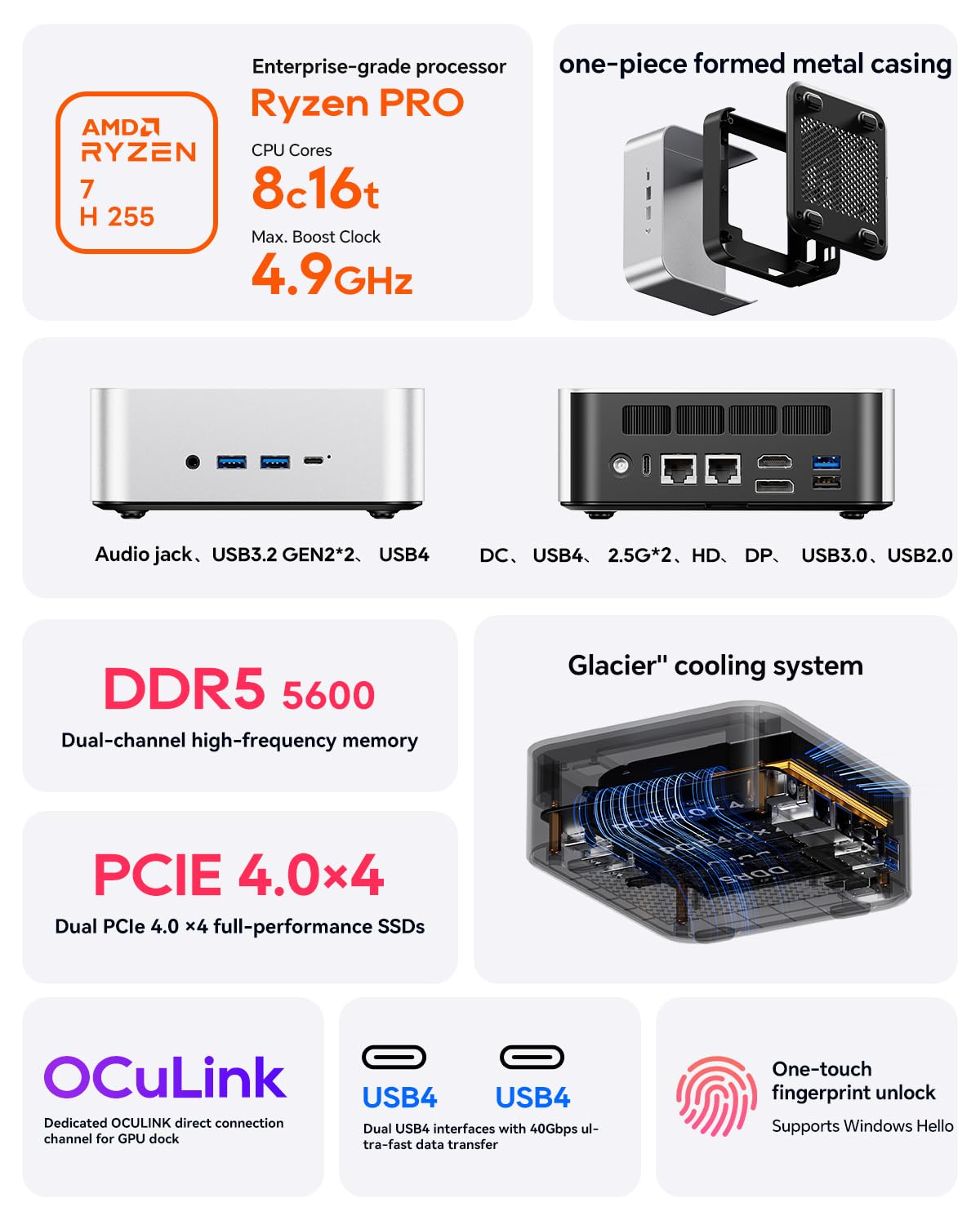
That is exactly why the AOOSTAR MACO H255 caught my attention. On paper, it hits a very specific sweet spot: an 8-core/16-thread Ryzen chip, Radeon 780M graphics, dual USB4, dual 2.5G LAN, and the part that makes enthusiasts stop scrolling—OCuLink for an external GPU.
After digging through the spec sheet, AMD’s processor info, reviewer coverage, and user discussions, my takeaway is pretty simple: this is one of those mini PCs that makes sense for the right buyer, especially if you care about ports and future flexibility more than brand prestige. But I would not buy it blindly just because the box says “AAA gaming.”
The short version
I think the AOOSTAR MACO H255 is most appealing for people who want a compact all-rounder with unusually strong connectivity. The combination of Ryzen 7 H255-class CPU performance, Radeon 780M integrated graphics, dual USB4, and OCuLink is the real story here—not just raw gaming power.
What surprised me most is how often people talk about the I/O and general usability first, not the benchmark chest-thumping. In one Reddit mention, a buyer who said they had purchased the AOOSTAR MACO H255 specifically called out the quality, temperatures, and I/O as “very good,” which lines up with why this machine stands out in the first place. (reddit.com)
What the hardware is actually promising
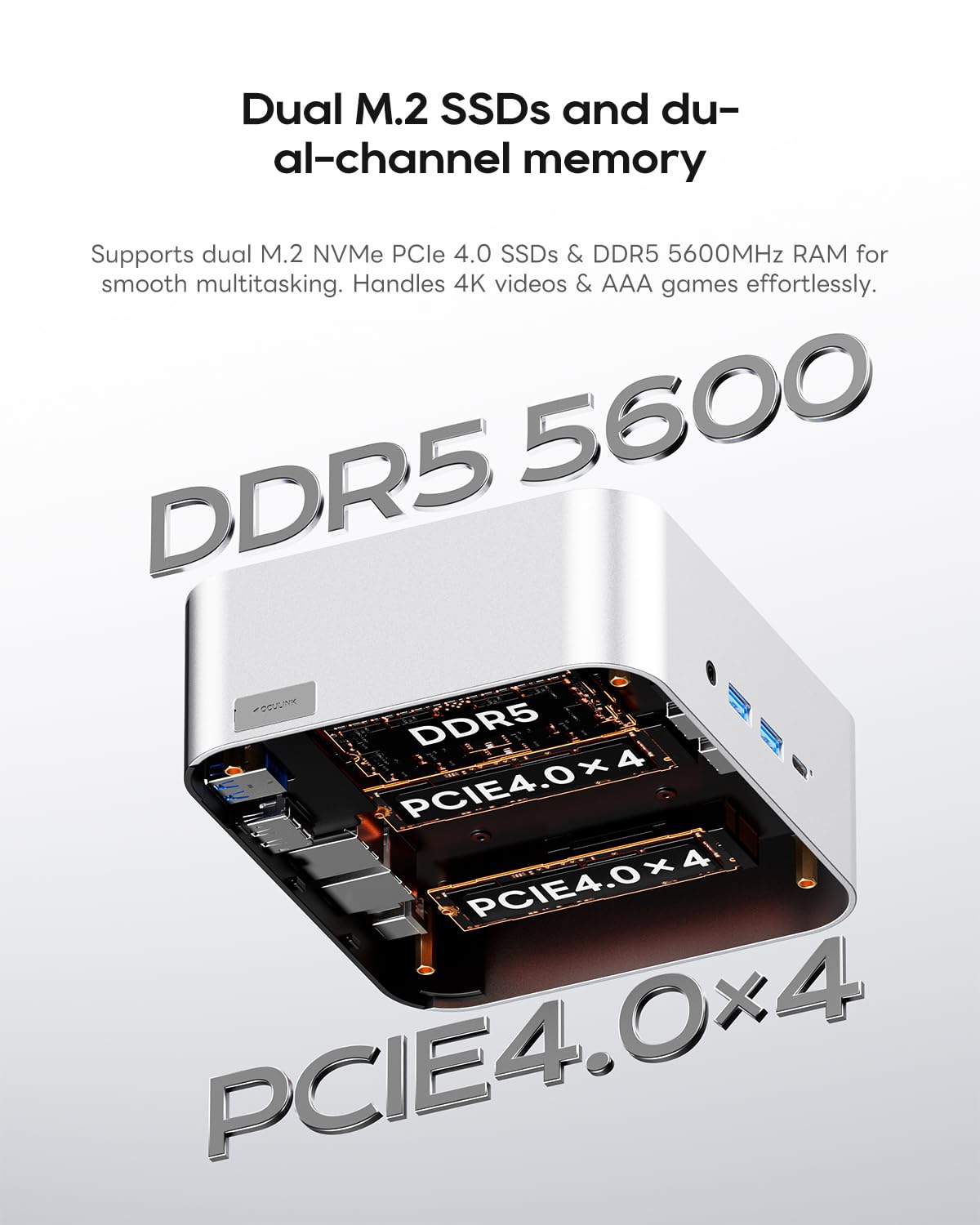
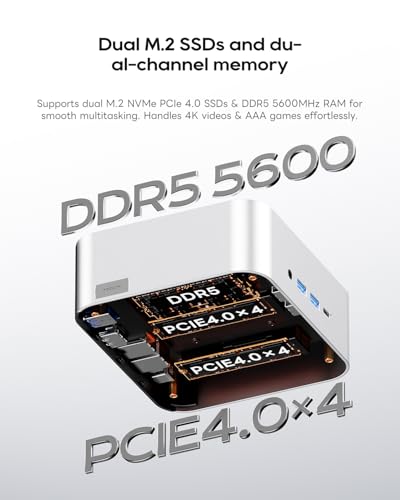
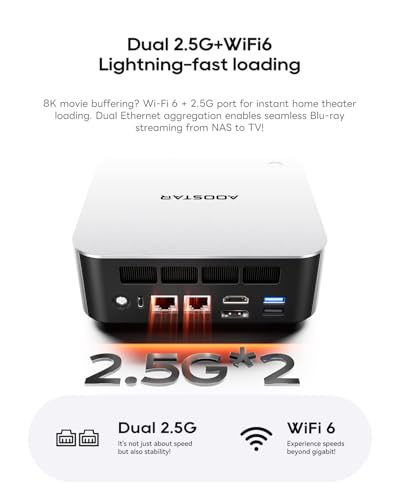
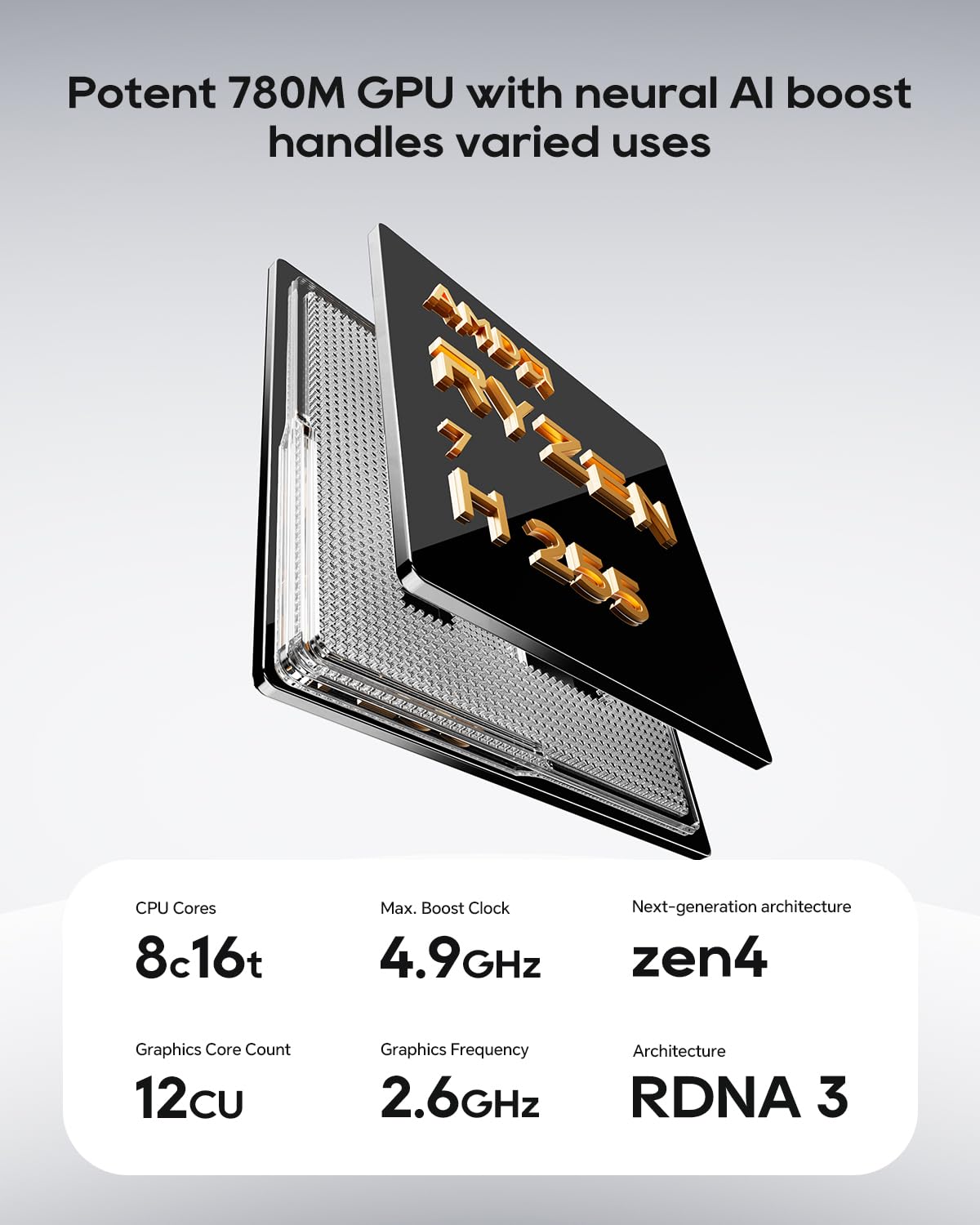
The core specs are easy to like. AOOSTAR is positioning this as a Ryzen 7 H255 mini PC with 8 cores and 16 threads, boost up to 4.9GHz, Radeon 780M graphics, 24GB of DDR5-5600 memory, and a 1TB PCIe 4.0 SSD. The product materials also claim support for dual M.2 PCIe 4.0 SSDs, up to four 4K displays, OCuLink, dual USB4, fingerprint login, and dual 2.5GbE. Those claims are consistent with the product listing details you provided and with reviewer coverage of the MACO platform. (youtube.com)
On the processor side, AMD’s recent Ryzen 200-series mobile stack does pair 8 cores and 16 threads with RDNA 3-based Radeon 780M graphics in this performance tier, so the overall CPU/iGPU positioning is believable. (amd.com)
Where I think this mini PC makes the most sense
1. The person who wants one tiny box for work now and better gaming later
This is the strongest use case by far.
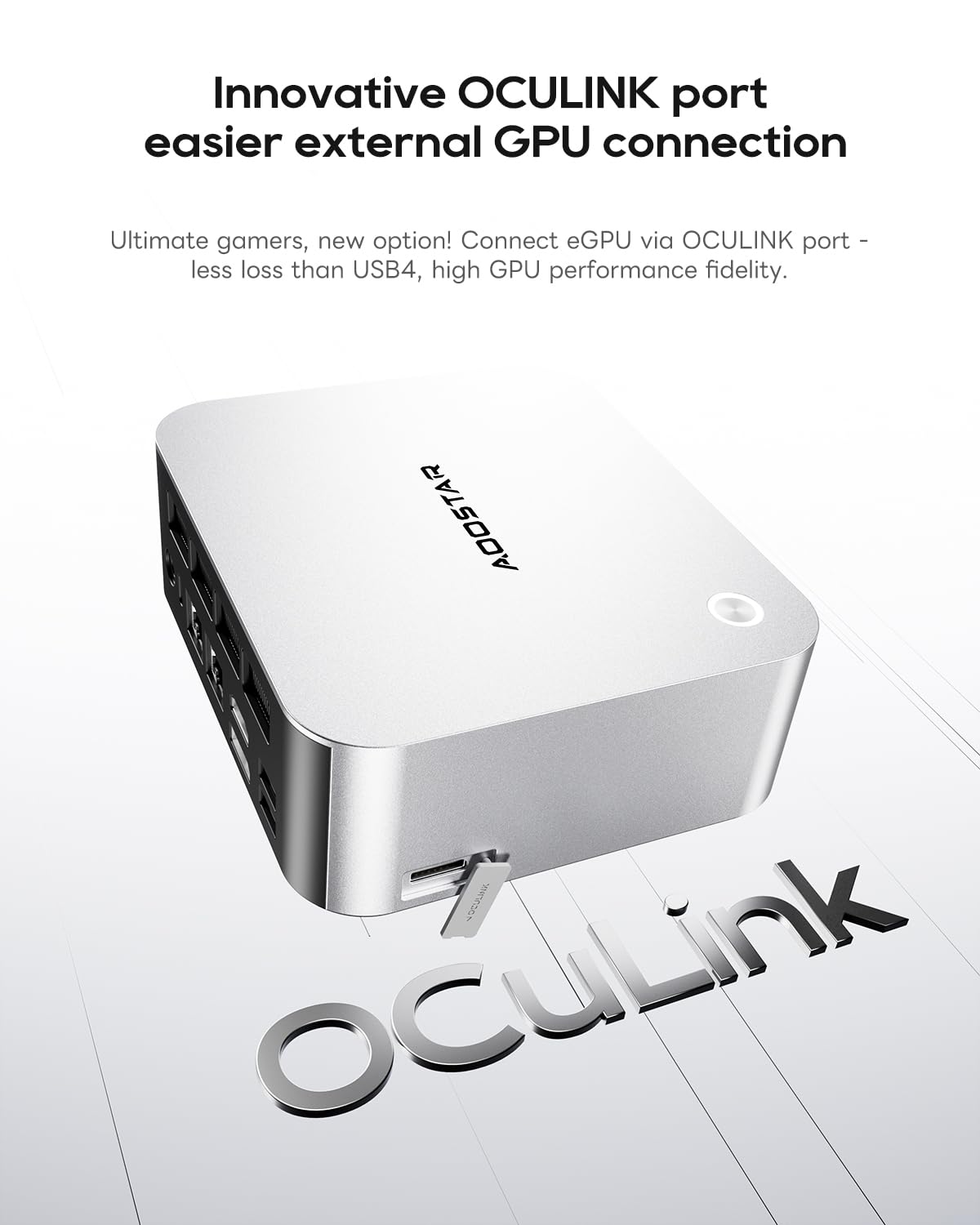
A lot of mini PCs force you into a dead end. You either accept the iGPU forever, or you jump through Thunderbolt compromises later. The AOOSTAR MACO’s OCuLink port is the feature that changes that conversation. If I were setting up a compact office during the week and wanted the option to connect an eGPU dock later, this is exactly the kind of port list I’d want.
That’s also why YouTube reviewers focused on the OCuLink angle so heavily. The MACO is not just “a small PC”; it’s a small PC with a real expansion story. (youtube.com)
2. The person running a multi-monitor productivity desk
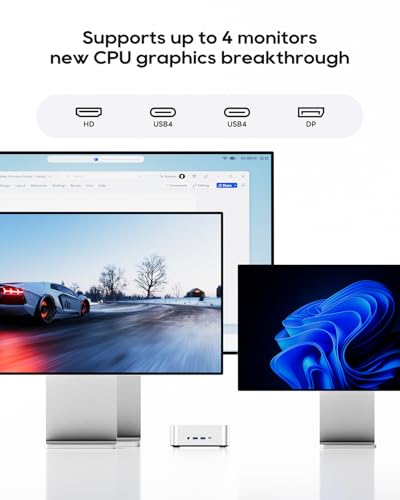
I genuinely like the monitor story here. HDMI, DisplayPort, and dual USB4 means you can build a very clean four-display setup without dongle gymnastics. If your desk life involves spreadsheets on one panel, chat on another, browser tabs everywhere, and maybe a reference monitor off to the side, this machine is better thought out than a lot of mini PCs that look powerful but skimp on display flexibility.
3. The tinkerer who cares about fast networking and storage
Dual 2.5G LAN is still a feature I’m always happy to see because it tells me the machine wasn’t designed only for the most basic home-office use. Whether it’s a small lab setup, direct NAS access, or just wanting more robust wired networking, it opens up possibilities. Add dual M.2 support and you have a much more interesting little box than the average mini desktop.
What performance should you realistically expect?
This is where I’d slow the marketing down a bit.
The Ryzen 7 H255 plus Radeon 780M combo should be quite capable for everyday work, coding, office loads, media, light-to-moderate content creation, emulation, and lighter modern gaming at sensible settings. Radeon 780M is a respected integrated GPU tier, but it is still integrated graphics. So yes, gaming is part of the appeal—but no, I would not read “handles AAA gaming” as “buy this instead of a proper gaming desktop.” AMD’s own positioning of 780M-class graphics is strong for integrated performance, not a substitute for a midrange dedicated card. (amd.com)
If I were buying this, I’d view the built-in 780M as a very good starting point and the OCuLink port as the reason the machine stays useful longer.
What I like most
The port selection feels enthusiast-designed
This is the part that kept bringing me back to the MACO. Dual USB4 and OCuLink on a mini PC is not normal at this level. It tells me AOOSTAR understands the buyer who wants options: fast external storage, modern docks, multiple monitors, and an eGPU path.
It looks cleaner than many “performance” mini PCs
A lot of small PCs go full gamer-gadget. This one is restrained. The metal body and simple shape make it easier to leave on a desk in plain sight without it looking like a network appliance or a toy.
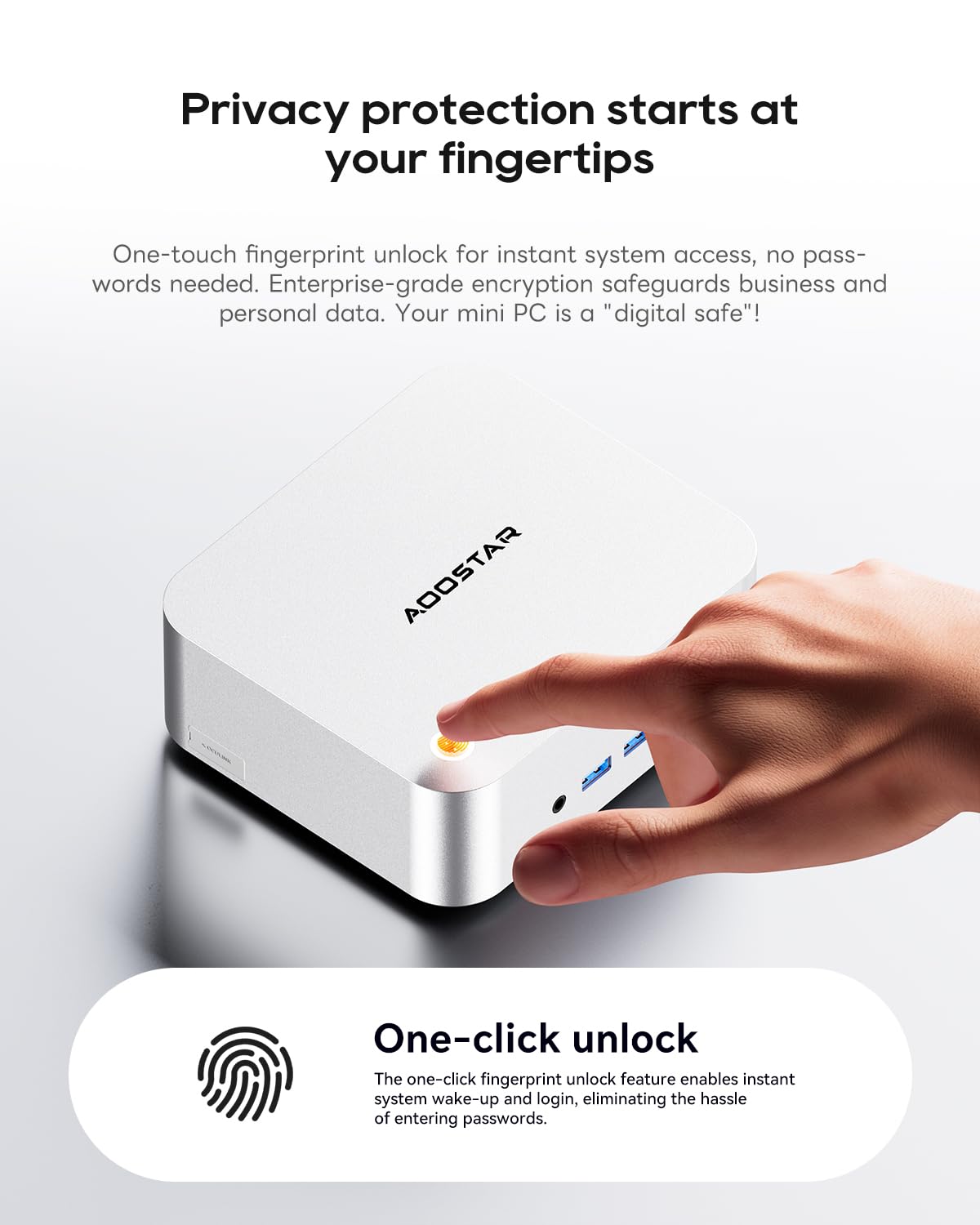
Fingerprint login is a small feature that actually improves daily use
This kind of thing sounds minor until you live with it. On a shared desk or an office setup where the machine sleeps and wakes throughout the day, one-touch sign-in is the sort of convenience that ends up mattering more than one extra synthetic benchmark point.
Where it falls short
No review is useful if it only repeats the product page, so here’s the part I’d want a friend to hear before ordering.
“AAA gaming” is the oversell
This is my biggest hesitation. The MACO may absolutely run modern games, especially with tuned settings, but integrated Radeon 780M graphics still have limits. If your definition of gaming is esports, emulation, indie titles, older AAA games, and some modern titles with settings compromises, great. If your definition is maxing out big current releases at high settings natively on the iGPU, this is the wrong expectation.
Brand confidence is not the same as buying from the biggest names
AOOSTAR has fans, but it does not have the same trust cushion as the most established mini-PC brands. I found positive owner comments around the MACO line, but I also found older Reddit complaints about customer-service friction with AOOSTAR generally. That does not automatically mean you’ll have a bad experience, but it is part of the risk profile with smaller hardware brands. (reddit.com)
Real-world polish can vary on niche mini PCs
One thing I’ve learned covering small-form PCs is that good specs do not guarantee polished firmware, acoustics, or out-of-box setup. In recent discussion, one buyer comparing H255 mini PCs said they had to lower TDP and reapply thermal paste on another Ryzen 7 mini PC to keep it quiet and cool, which is not a direct knock on this exact MACO unit, but it is a reminder that this category can demand some tinkering. If you want a zero-fuss appliance, mini PCs like this can occasionally ask more from you than a mainstream desktop or laptop would. (reddit.com)
What reviewers and users seem to agree on
The most consistent pattern I found was this: people interested in the MACO are usually not shopping for the absolute tiniest office box. They are shopping for a flexible enthusiast mini PC.
That shows up repeatedly in the discussion around OCuLink, USB4, and the overall I/O. It also shows up in the owner comments praising temperatures, quality, and ease of living with the machine. Even the people happy with it tend to talk about setup choices, barebone options, docks, or expansion—not just “it turns on and opens Word.” (reddit.com)
Who I think should buy it
I would seriously consider the AOOSTAR MACO H255 if you are:
- building a compact desk setup and want strong connectivity
- planning to use integrated graphics now but may add an eGPU later
- running multiple monitors for work, trading, coding, or content tasks
- comfortable buying from a smaller enthusiast-focused hardware brand
- interested in a mini PC that is more expandable than average
Who should skip it
I’d skip it if you are:
- expecting dedicated-GPU gaming performance from the built-in 780M alone
- allergic to tinkering, BIOS checking, or the occasional mini-PC quirk
- more comfortable paying for a bigger brand’s support reputation
- looking for the cheapest possible office mini PC rather than the most flexible one
My bottom line
If I were choosing this machine, I’d be buying it for the layout and upgrade path as much as the processor. That’s what makes it interesting.
The AOOSTAR MACO H255 looks like a smart mini PC for someone who wants a compact desktop that can do real daily work, light creative tasks, and respectable iGPU gaming today while keeping the door open to a much stronger graphics setup later through OCuLink. That’s a very specific pitch, but it’s a good one.
The catch is that you have to buy it with the right mindset. Think of it as an enthusiast-friendly mini workstation/gaming hybrid, not a miracle box that replaces a full gaming tower on integrated graphics alone.
If that framing matches what you need, I think the MACO H255 is genuinely worth a look. If not, the same features that make it exciting will probably be wasted on you—and that’s the easiest way to overbuy a mini PC.